
WCS: Understanding 6 vs 8 Count Patterns
- English (UK)
This lesson will clear up one of the biggest sticking points for West Coast Swing dancers moving from novice into intermediate: how do you know if a pattern is six counts or eight counts — and more importantly, how do you feel the difference? Anthony and Rose break it all down in a super simple way that finally makes sense. You’ll learn the two core rhythm structures of West Coast Swing, how each one is built (walk walk, triple step, etc.), and what physically changes between the two. You’ll also learn how leaders can clearly communicate the rhythm — not by cues or tricks, but through motion and direction — and how followers can read that information through connection. They explain the count 4 rule, where the leader communicates the rhythm change, and how to recognize whether a pattern is finishing with an anchor or continuing back across the slot. Plus, they give you an easy drill you can use right now to train your muscle memory and rhythm recognition. If you’ve ever found yourself confused mid-pattern or unsure whether you’re doing a 6 or 8-count, this video will fix it once and for all.
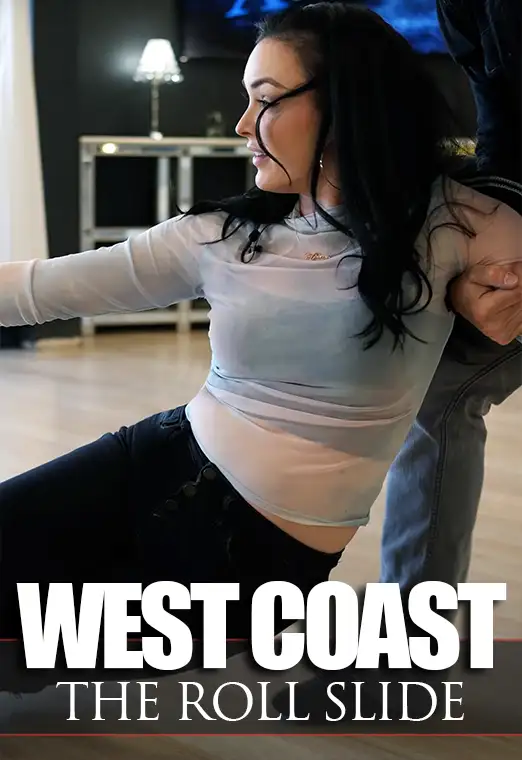
WCS: The Roll Slide
- English (UK)
This one’s for our intermediate and advanced West Coast Swing dancers looking to level up their whip game. Anthony and Rose break down a slick pattern they call The Roll Slide — and it’s way cooler than your average whip. This combo keeps the core structure of a traditional whip for the first four counts, but after that, things get a little spicy. We're talking a stylish roll-out, an inside lean with serious stretch, and a smooth, dramatic slide that finishes in a connected stretch exit. The key to this pattern is control, timing, and proper distance management. Leaders, you’ll need to stay close and use forearm connection to guide the follower through the roll, setting her up for that lean and slide across the slot. Followers, Rose breaks down exactly how to stay balanced and centered through the roll and into the lean, without throwing yourself off-axis. It’s all about keeping that upper body lifted while sinking into the stretch. If you’re confident with basic whips and want to add a dynamic, eye-catching moment to your dance, this pattern is a must-learn. The Roll Slide hits that perfect balance of cool, technical, and social-floor friendly.
An Intro To The Country Dances
- English (UK)
If you’ve ever wanted to learn how to country dance but had no idea where to start—this is it. In this video, Anthony and Rose break down the world of country dancing in the most beginner-friendly way possible. Whether you’ve never set foot on a dance floor or you’re just curious what all the different dances are, this gives you a solid foundation. You’ll get an intro to all the major styles of country dancing: Two Step (the classic progressive partner dance), Country Swing (a more modern, freestyle spot dance full of spins and dips), Line Dancing (solo dances done in sync to music), and West Coast Swing (a stylish, musically expressive partner dance done in a slot). Each one is explained clearly—with examples and advice on where and how each dance is usually done. You’ll learn the key differences between progressive vs. spot dances, and what kind of music and vibe fits each style. It’s a great overview for anyone who’s new to the scene or looking to get friends involved. If you want to dance at country bars, weddings, or festivals, this video will help you know what’s what—and where to start.
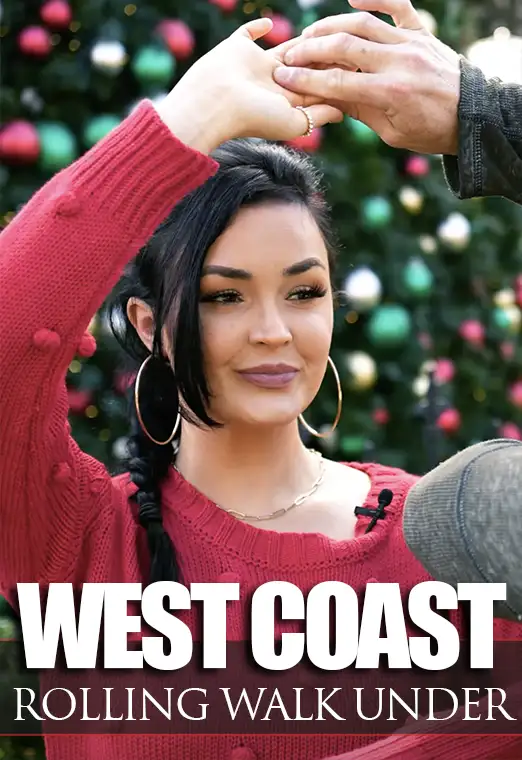
WCS: Rolling Walk Under
- English (UK)
Anthony and Rose are back with another West Coast Swing favorite—filmed in front of the giant Christmas tree in Market Street, The Woodlands, TX. This has become a bit of a holiday tradition, and this year’s pattern is a slick little walkaround combo that blends basic structure with some cool visual styling. It’s smooth, it’s leadable, and it feels great to dance. In this tutorial, they break the pattern down step-by-step, starting with a right-to-right inside turn that catches the follower on the arm and flows into a seamless walkaround with a shoulder lead. Leaders, this one is all about managing the slot and using footwork and hand placement to guide her clearly through each section. Followers, Rose shows you how to keep great connection and maintain alignment through each part of the pattern—even when he’s dancing around you. If you’re comfortable with basic whip mechanics and want to add something fresh and showy to your West Coast Swing toolkit, this is a great one. Plus, there are a few bonus rants, alignment reminders, and a whole lot of Christmas spirit sprinkled throughout. A fun, stylish combo you’ll definitely want to try at your next social.
WCS: The Illusion Whip
- English (UK)
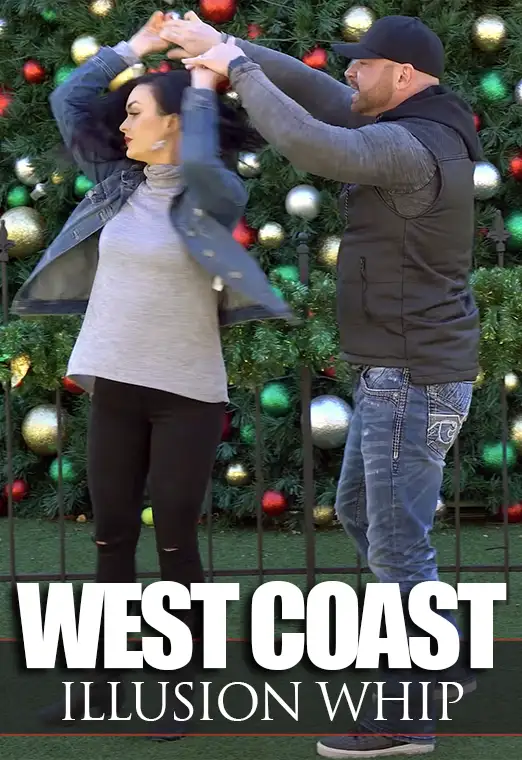
Anthony and Rose are back with one of their favorite West Coast Swing patterns—shot in front of the big Christmas tree in The Woodlands, just like last year. This time, they’re breaking down a slick little whip variation that includes some illusion (aka wrist whip) turns and a sneaky hand change that sets the whole thing up. The pattern looks flashy but is surprisingly easy to lead once you understand the setup. It starts with a basic whip structure, but the hand change on count two sets up a cool series of turns that give it a modern, flowing feel. Along the way, Anthony and Rose point out the concepts of leverage, slot control, and the difference between an “anchor” and an “anchor step”—and yes, they go deep (with some very quotable rants in true X Dance fashion). This is a great video for anyone who’s comfortable with basic whip mechanics and wants to level up their West Coast Swing with something that looks impressive but still makes sense in a social dance setting. Bonus points for spotting all the subtle teaching gold they sneak in between laughs. A little holiday tradition, a lot of great technique.
WCS: Understanding The Anchor
- English (UK)
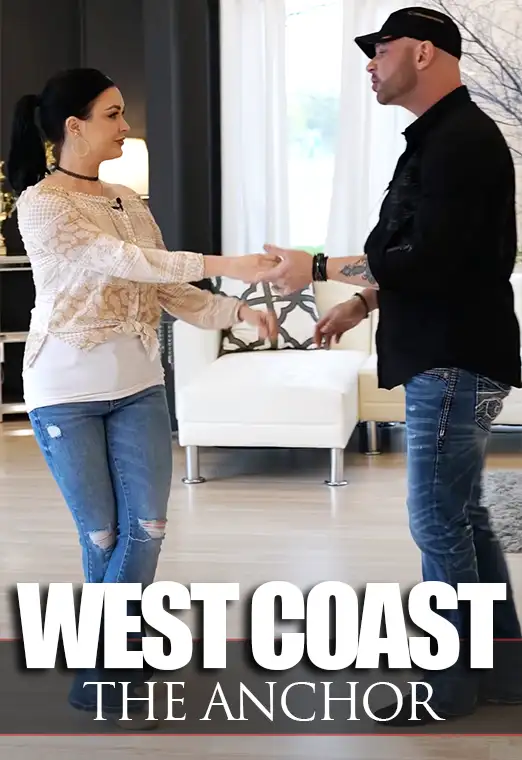
This is one of the most important West Coast Swing videos Anthony and Rose have ever made—and once you watch it, you’ll understand why. For something that gets mentioned all the time (anchor step this, anchor step that), almost no one is actually explaining what an anchor really is. Until now. In this lesson, Anthony and Rose break down what the anchor actually means—not just the footwork, but the purpose behind it. They explain how connection and stretch at the end of each pattern is the real foundation of the anchor, not the triple step your feet are doing. In fact, they even show how your feet could be doing almost anything… and you can still anchor correctly if you understand the core concept. You’ll see demonstrations of how elasticity creates responsiveness, how footwork doesn’t matter if connection is missing, and how a true anchor gives followers the signal to start the next pattern. This one clears up a LOT of confusion for both beginners and experienced dancers alike. If you’ve ever felt like your dancing was a little stiff or disconnected, this is the video that changes everything. This is how West Coast Swing really works.
WCS: Reverse Whip Variations
- English (UK)
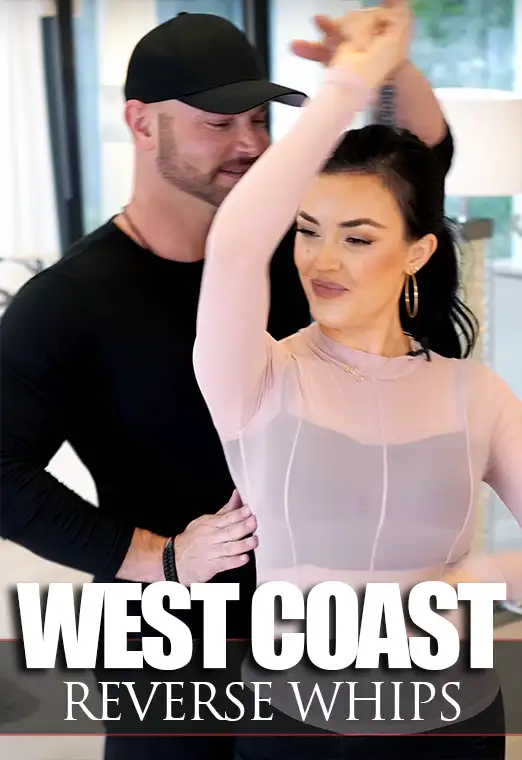
In this West Coast Swing lesson, Anthony and Rose break down a move that’s often danced but rarely explained clearly: the Reverse Whip. If you already know the basic whip (and you should!), this is a must-have variation to level up your dancing. What makes the reverse whip different is the follower’s delayed rotation—she walks forward twice before turning, changing both the look and feel of the pattern. Anthony demonstrates how to prep and lead it correctly, showing the body position and connection points you’ll need to make it feel smooth (and not confusing). Rose explains the precise footwork and how the turn happens between counts 2 and 3. Once the fundamentals are covered, you’ll learn several creative variations, including: Reverse whip from different handholds Adding an over-the-head hand change Leading it from a free spin Catch-and-shoulder reverse whip exit Everything is built from the same foundation—you’re just changing how you connect, not the actual steps. By the end of this lesson, you’ll have multiple ways to style the reverse whip for social dancing or performance, while still staying in control of your timing and technique.
WCS: Side Passes Simplified
- English (UK)
In this first lesson of the West Coast Swing Secrets series, Anthony and Rose introduce a completely new way of thinking about West Coast Swing — one that breaks away from the old, confusing “basic step” mentality and makes the dance feel way more logical (and fun). Instead of memorizing patterns, students learn how West Coast Swing is built from a few simple motion categories, starting with side passes. Anthony explains why there’s no such thing as the basic step in West Coast Swing — only types of movement — and demonstrates how virtually every beginner pattern starts the same way: the follower walks from one circle to another, across a line called “the slot.” With easy-to-follow visuals and Rose’s detailed footwork breakdown, this lesson unpacks how to use three simple sections — approach, action, and anchor — to understand any West Coast Swing move. By focusing on just one category (the side pass), this lesson helps students master the rhythm, connection, and slot structure that define West Coast Swing — and sets the stage for every move to come. This is the foundation for unlocking the entire dance.
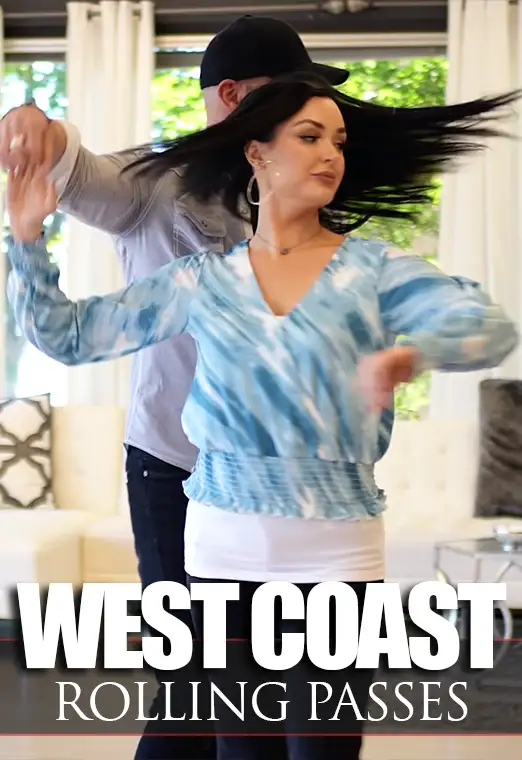
WCS: Basics - Rolling Passes
- English (UK)
In Part 2 of the West Coast Swing Secrets series, Anthony and Rose break down one of the most important building blocks of West Coast Swing: the rolling pass—and all its many variations. This lesson picks up right where Part 1 (Side Passes) left off, so make sure you’ve watched that one first if you haven’t already. You’ll learn the basic structure of the rolling pass, including how it still fits into the same three-part framework: she comes toward you, something happens (in this case, a one-and-a-half turn), and then you both anchor in place. Once that foundation is set, Anthony and Rose show you how to dress it up with different handholds—like right-to-right, left-to-left, overhead spins, free spins, and even double turns. The footwork for both the leader and follower stays the same, but the styling possibilities are endless. This episode focuses on helping you recognize the “category” behind the pattern so you can spot it, lead it, and remix it creatively on the fly. If you’ve ever felt like all the moves start blending together, this lesson will help you see how they’re all connected—and how to build your own variations from the ground up.
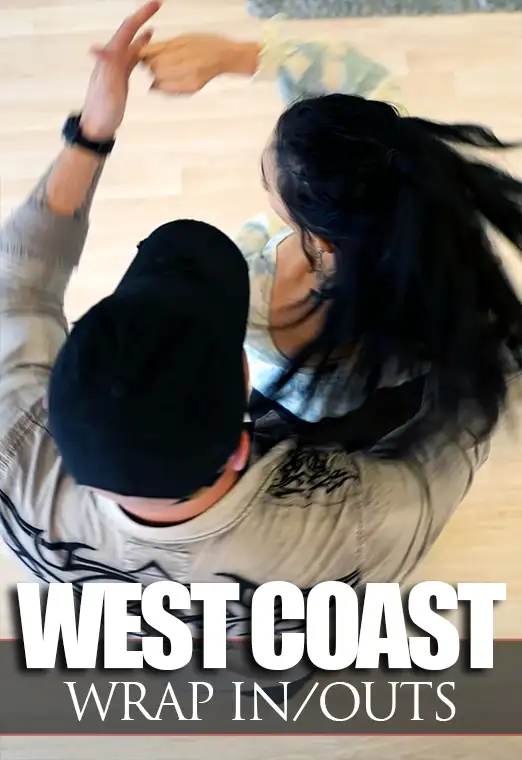
WCS: Wrap In And Outs
- English (UK)
In this bonus installment of the West Coast Swing Secrets series, Anthony and Rose break down one of the most versatile—and often misunderstood—concepts in the dance: the Wrap In & Out. You’ll learn the foundation of this six-count pattern, how to build proper rotational alignment, and how to create smooth, intentional turns while maintaining anchor technique. The episode starts by demonstrating the basic wrap structure, explaining how the three core “intentions” from previous videos still apply: she comes toward you, something happens, then you anchor. But this isn’t just the basic version—you’ll explore creative handholds like cradles, sweethearts, and folds, and see how a single movement framework can be styled in dozens of ways. The second half of the episode dives into syncopation—removing section one and going directly into the wrap for a dynamic look. Anthony explains how to cue momentum, unwind turns with clarity, and shape the follower’s direction by adjusting arm connection and foot placement. And of course, the difference between an anchor step and a true anchor is clarified in a way that finally makes sense. This episode is all about creative exploration without losing the structure that makes West Coast Swing flow.